Lacrosse Wall Ball: The Fundamentals (and When to Upgrade)
Wall ball is the oldest skill-builder in lacrosse for a reason. Here's how to do it right, and the point at which a rebounder simply does it better.
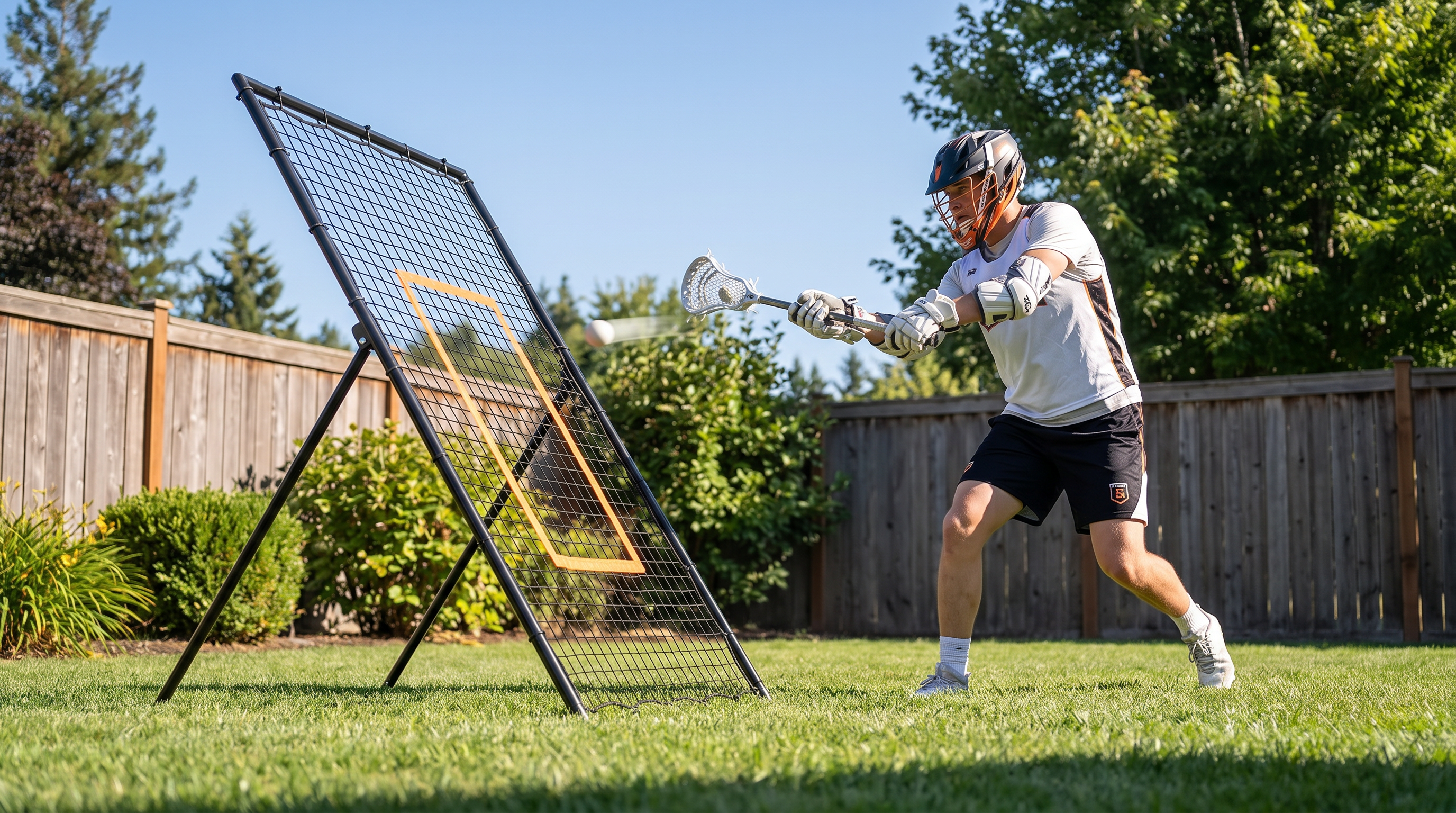
What wall ball is and why it's the classic skill-builder
Wall ball is exactly what it sounds like: you throw against a wall and catch the return, over and over. It's the sport's timeless homework because it trains the two skills you use most, passing and catching, at a volume no team practice can match.
Generations of great players were built on a wall and a hundred reps a day.
The routines every player should know, by rep count
A classic routine, counted so you can track progress:
- 50 right-hand, 50 left-hand (basic catch and throw)
- 50 quick-stick each hand (no cradle)
- 25 face dodges each hand
- 25 split dodges each hand
- 25 behind-the-back and trick catches to finish
The problem with real walls
A brick wall is free, but it comes with real limits: you need a big flat wall you're allowed to hammer, it's loud, it marks the wall, weather shuts it down, and the return is always a flat, straight bounce. You can't practice catching on the move or from varied angles, which is how the ball actually comes to you in a game.
How a freestanding rebounder gives you a wall anywhere
A rebounder is a wall you can put anywhere, tilt, and catch on the move against. The HITEKK 7x4 ft lacrosse rebounder gives you a taut return with five adjustable angles, so the ball can come back low for ground balls, flat for quick-stick, or high for over-the-shoulder feeds, none of which a brick wall can do.
It's quiet, it doesn't mark anything, and it stands in the middle of the yard where you have room to move.
Wall ball vs. rebounder: which fits your space and goals
If you have a big legal wall and just want reps, a wall is fine. If you want game-realistic returns, the freedom to catch on the move, and something you can set up anywhere without annoying the neighbors, a rebounder is the upgrade. Most serious players end up wanting both, and reaching for the rebounder daily.
Frequently asked questions
How many wall balls should I do a day?
A common target is 100 to 150 reps per hand daily. Consistency matters more than any single big session.
Is a rebounder better than wall ball?
A rebounder does everything a wall does plus adjustable return angles, catching on the move, and portability, with no wall marks or noise. Many players use both.
Can I use a rebounder instead of a wall?
Yes. A freestanding rebounder replaces the wall entirely and adds angles and mobility a flat wall can't offer.
A wall you can put anywhere, and tilt
The HITEKK rebounder gives you a game-realistic return at five angles, no wall marks, no noise, set up in the middle of your yard.